provenance
beyond the frame
Behind every piece of art lies a story: the history, the artist's response, and the socio-political and cultural currents that surround it. Explore the layers that turn a painting to a window into history.
Technique. History. Artist. Consequence. Four layers of understanding that transform how you experience art.
Completely free for learners. A labor of love, supported by tips and thoughtful partnerships.
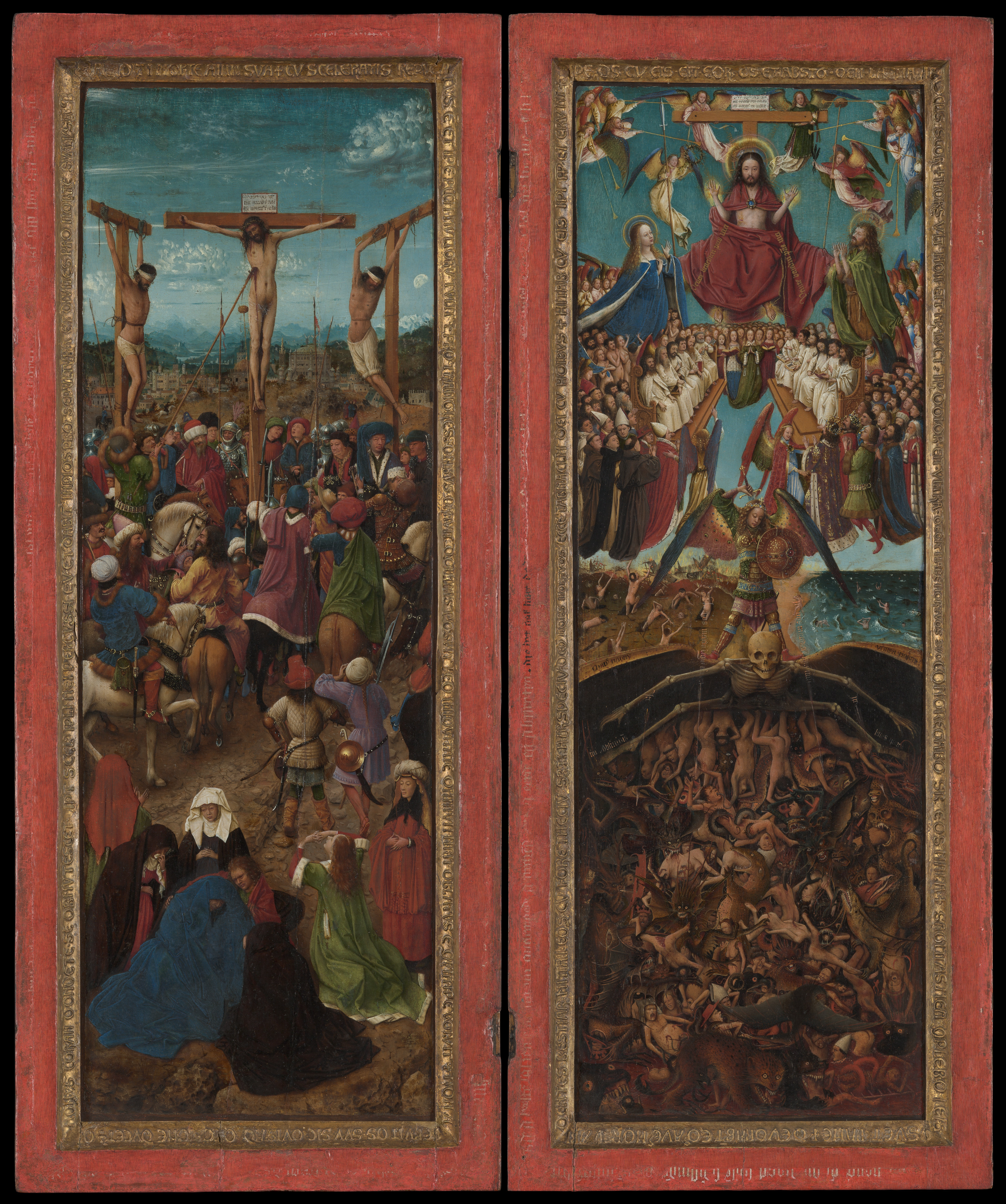
The Crucifixion; The Last Judgment
Jan van Eyck, ca. 1436–38
Jan van Eyck’s "The Crucifixion; The Last Judgment," created circa 1436–38, is a diptych that juxtaposes two significant Christian themes.
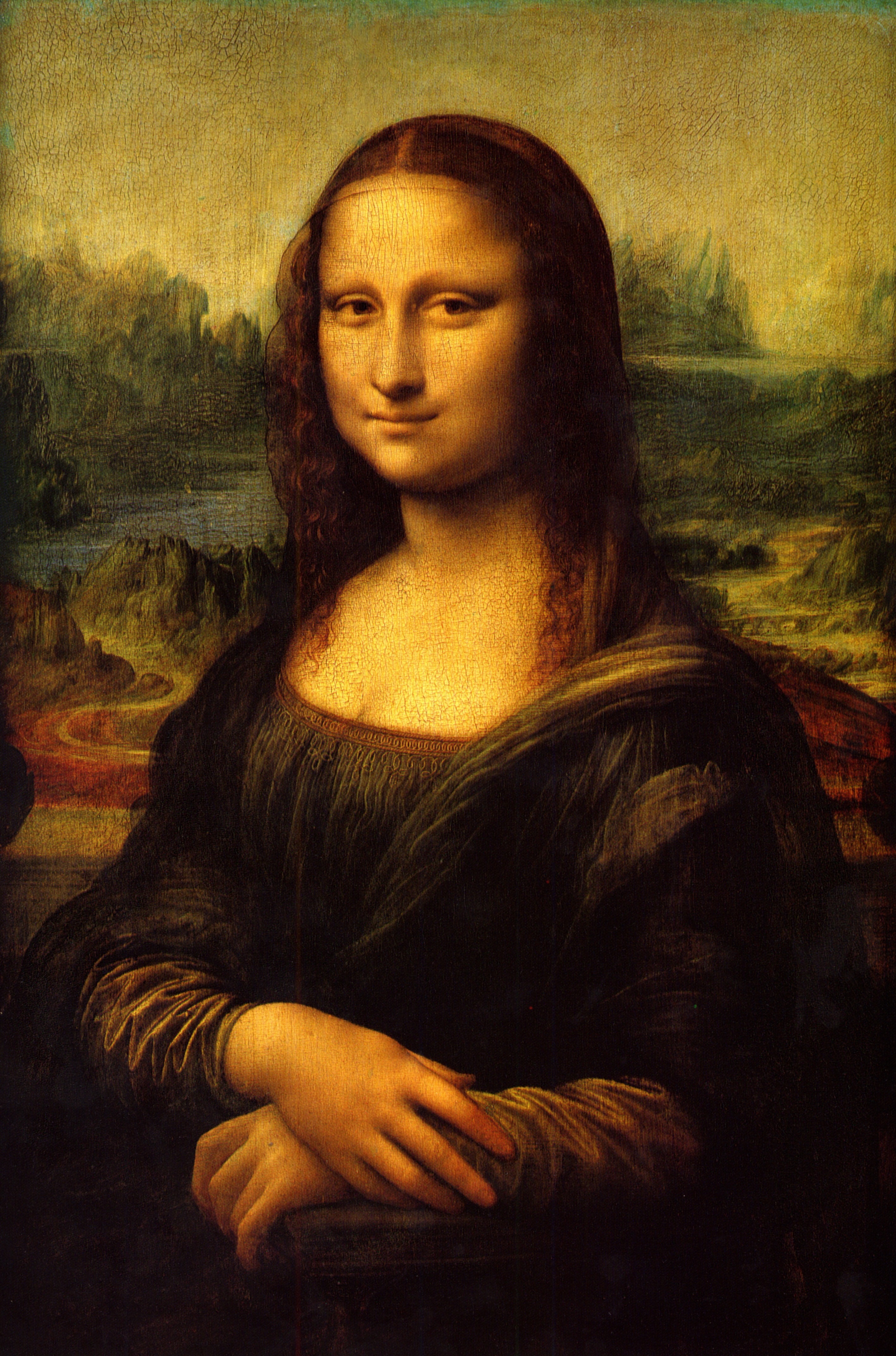
Mona Lisa
Leonardo da Vinci, ca. 1503-1507
The Mona Lisa, painted by Leonardo da Vinci, features a seated woman with an enigmatic expression, often interpreted as a subtle smile.
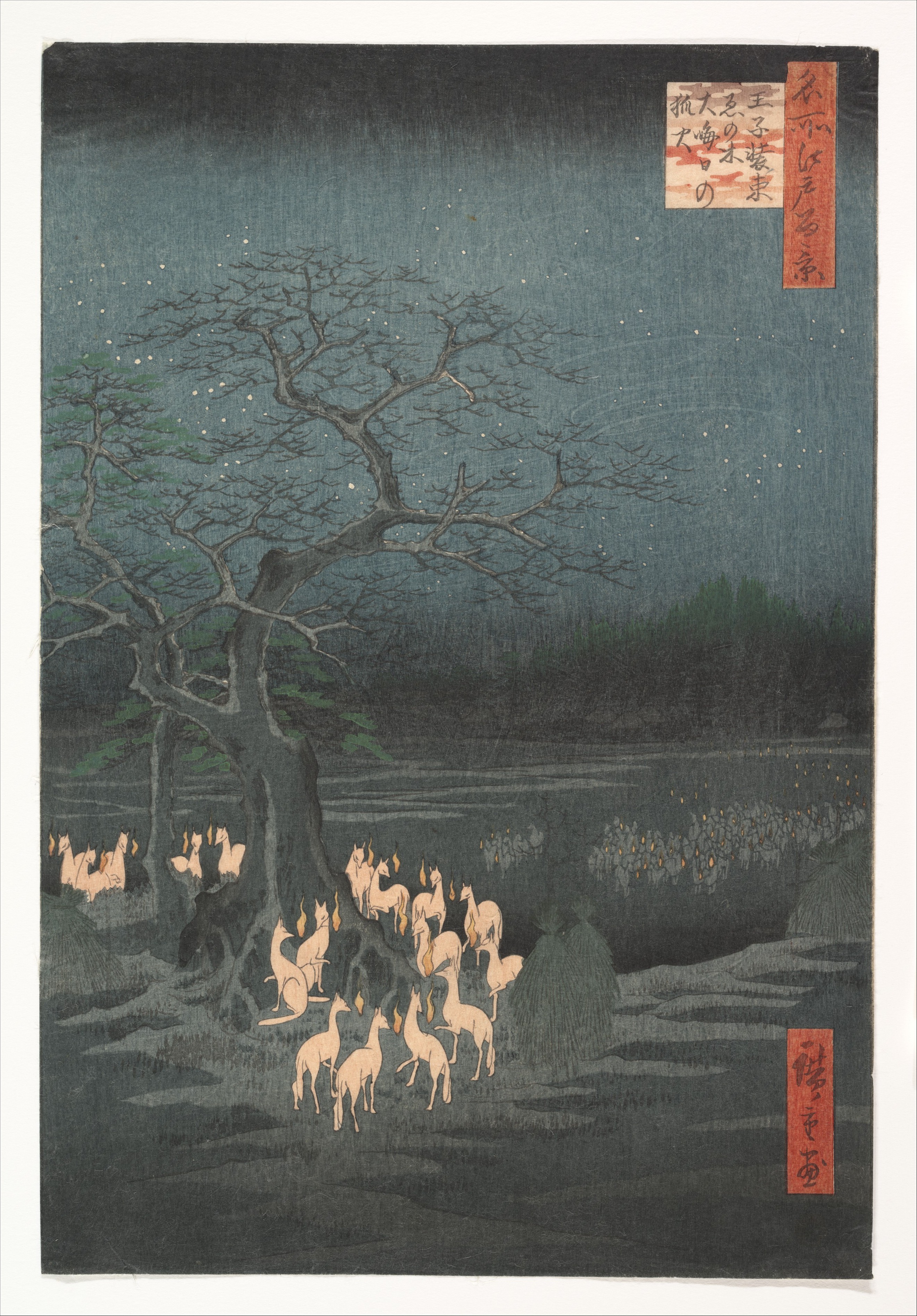
New Year's Eve Foxfires at the Changing Tree, Ōji
Utagawa Hiroshige, ca. 1857
Utagawa Hiroshige's woodblock print "New Year's Eve Foxfires at the Changing Tree, Ōji," created around 1857, depicts a serene winter scene illuminated by the ethereal glow of foxfires, which are associated with the mythical transformation of foxes in Japanese folklore.
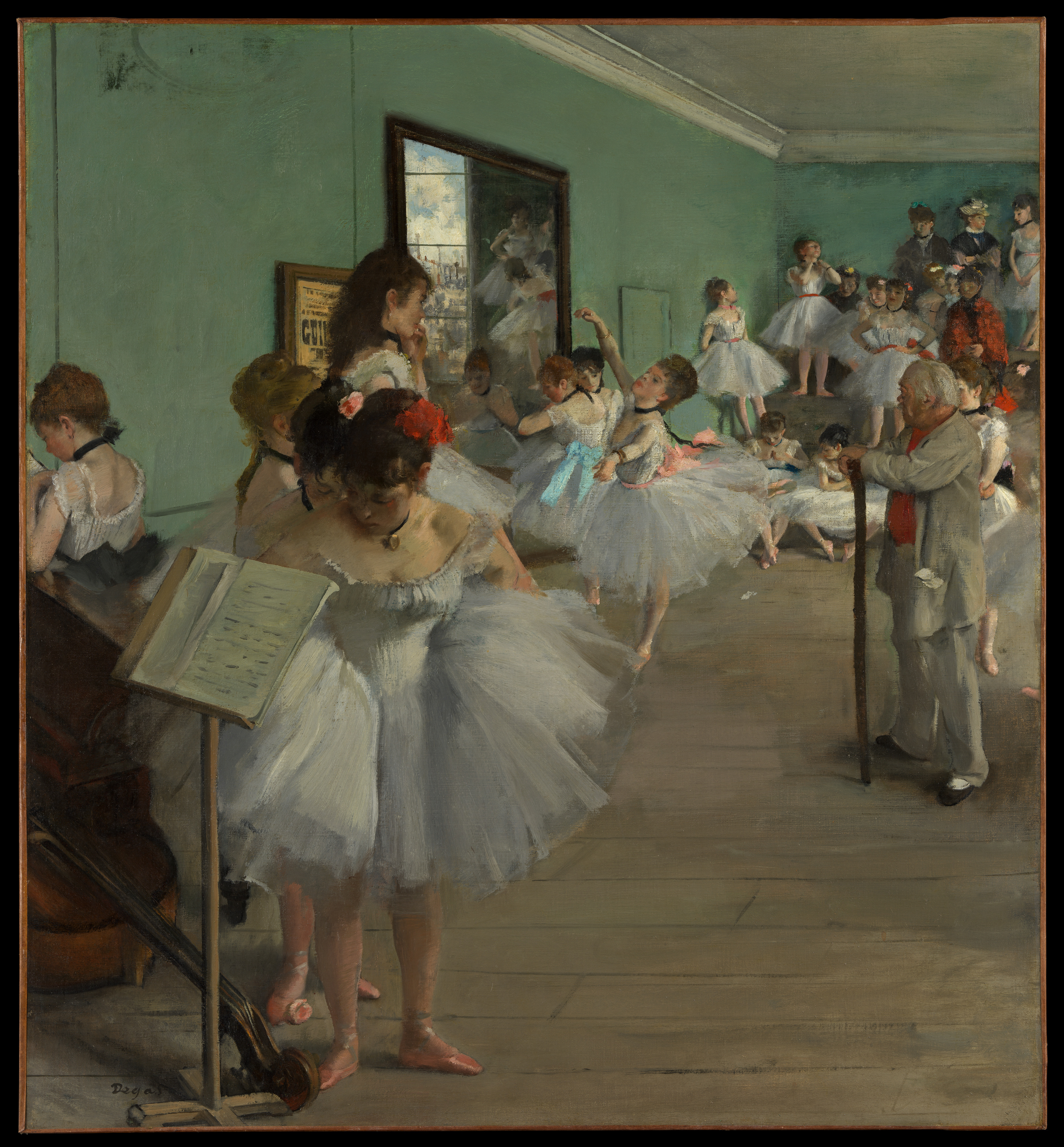
The Dance Class
Edgar Degas, 1874
Edgar Degas's "The Dance Class" (1874) depicts a ballet rehearsal in an intimate studio setting.
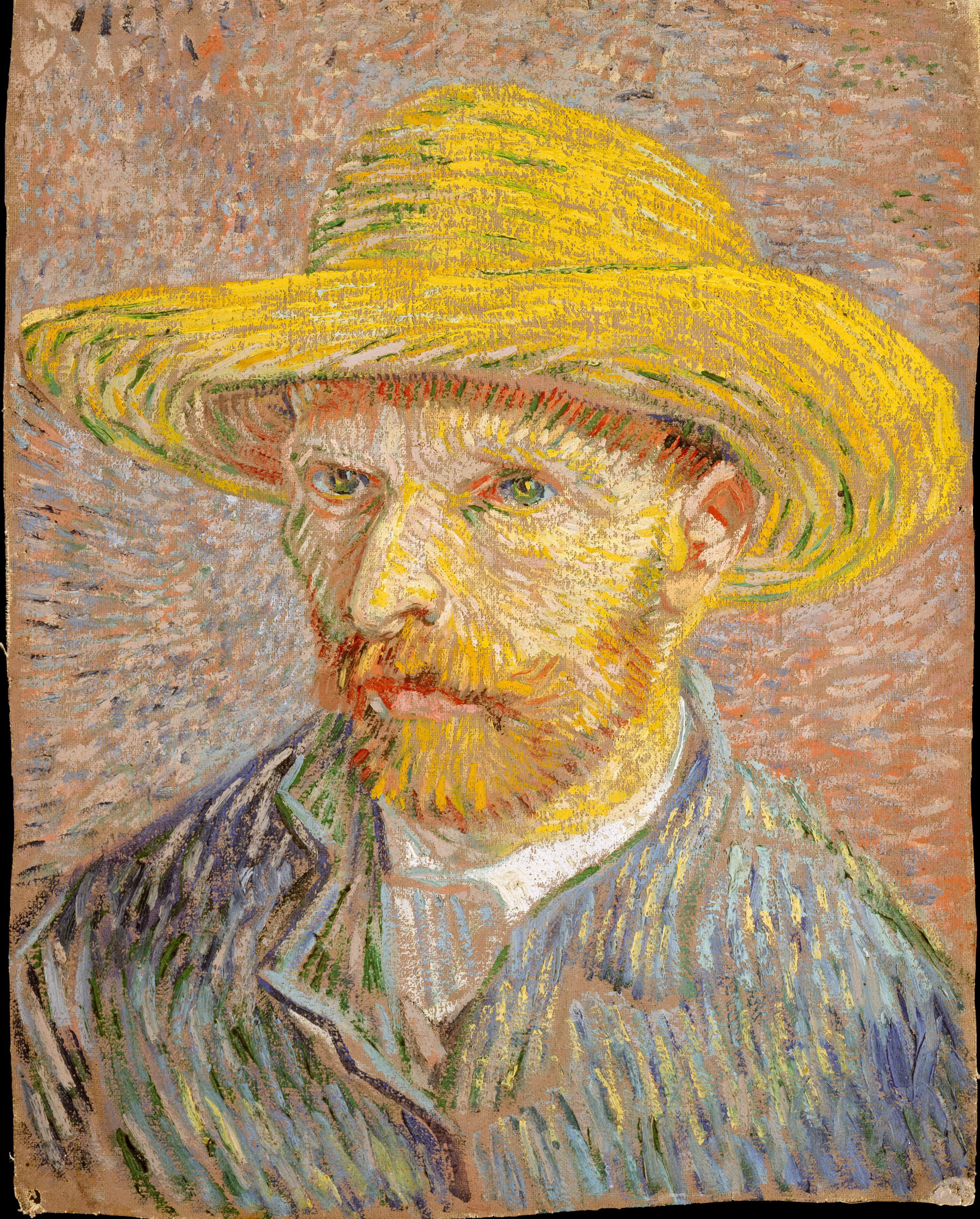
Self-Portrait with a Straw Hat (obverse: The Potato Peeler)
Vincent van Gogh, 1887
Vincent van Gogh's "Self-Portrait with a Straw Hat" features the artist depicted against a muted background, wearing a straw hat that accentuates his expressive facial features.
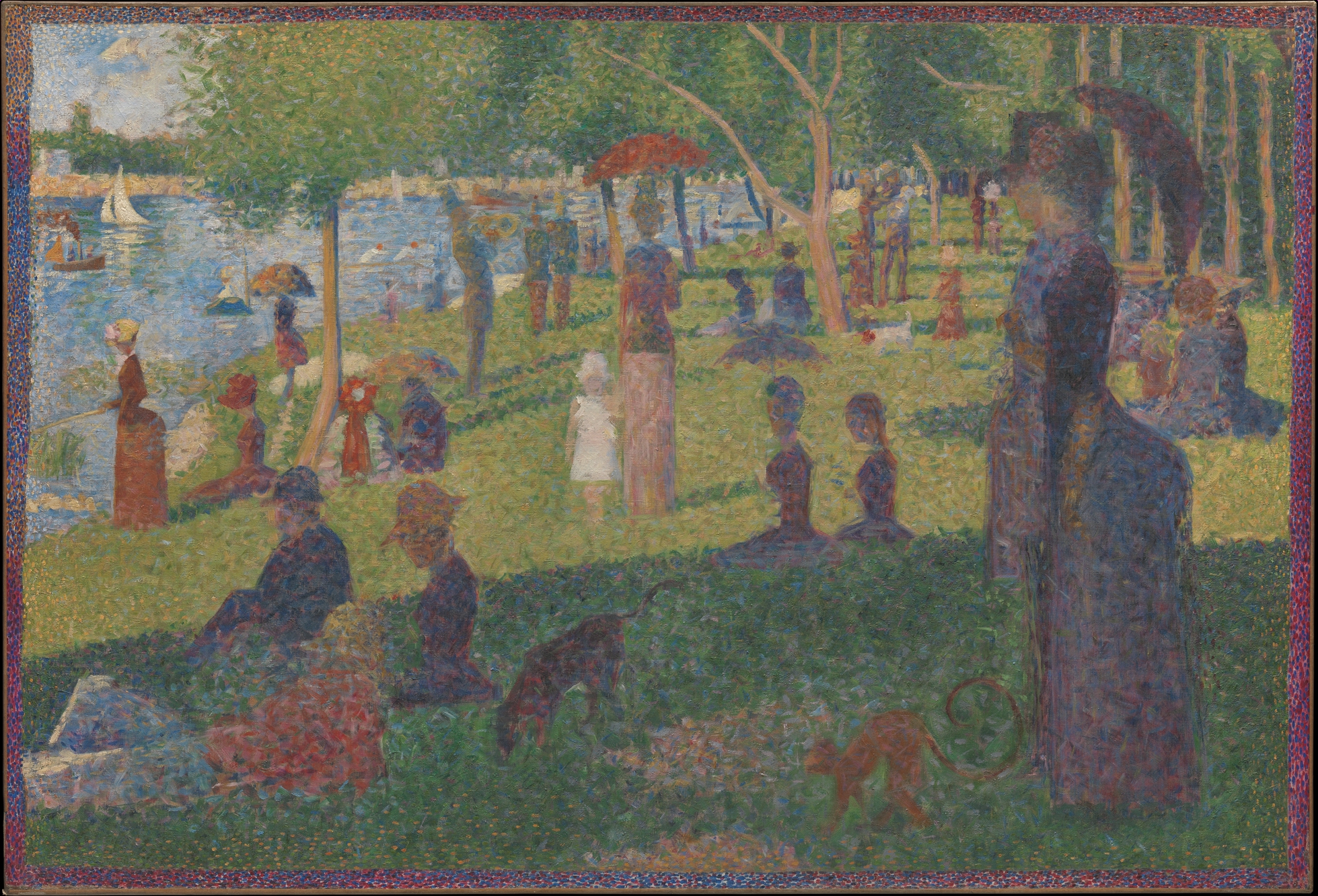
Study for "A Sunday on La Grande Jatte"
Georges Seurat, 1884
Georges Seurat's "Study for 'A Sunday on La Grande Jatte'" depicts a leisurely scene set along the banks of the River Seine, populated by men, women, children, dogs, and monkeys.
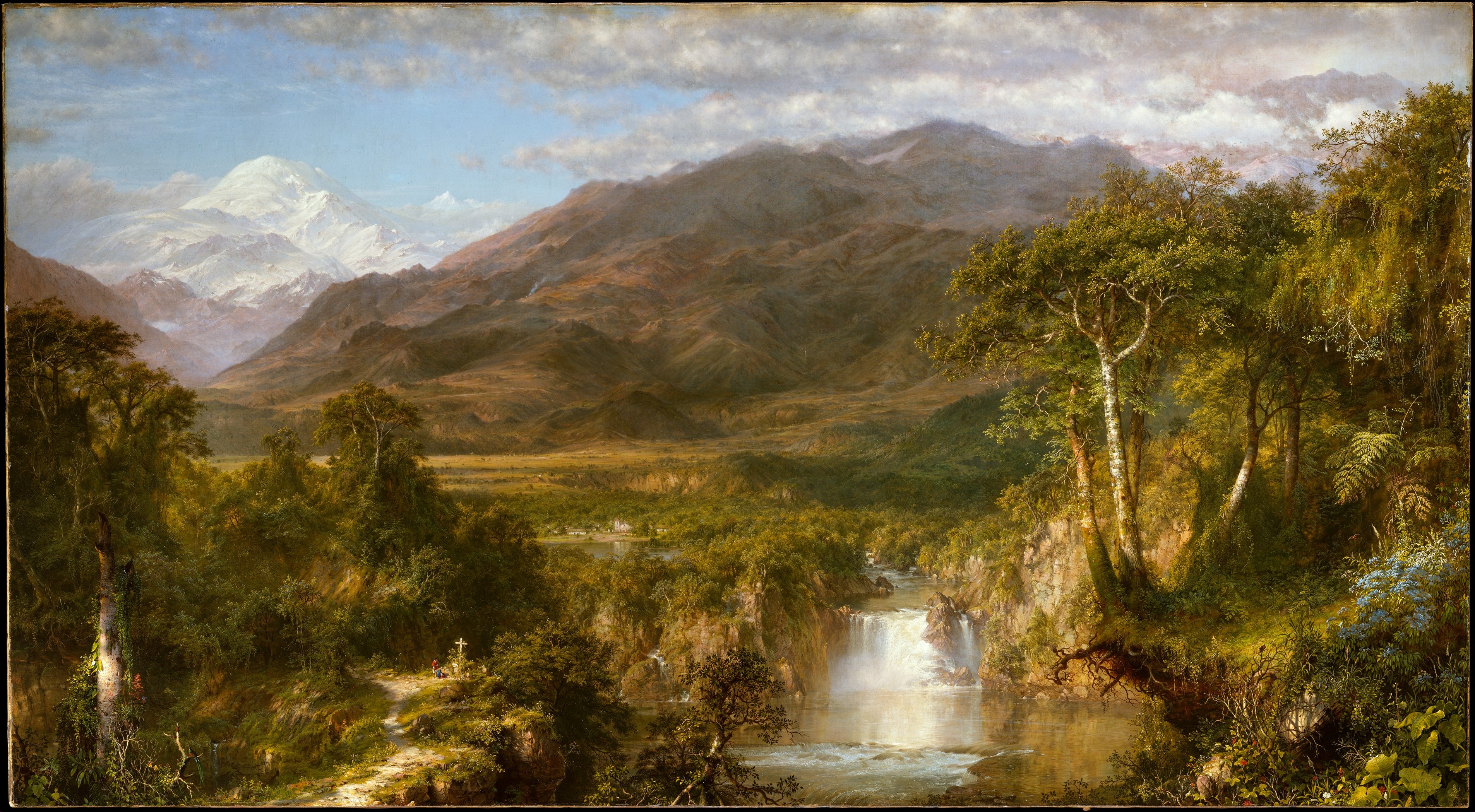
Heart of the Andes
Frederic Edwin Church, 1859
Frederic Edwin Church's "Heart of the Andes" (1859) presents a panoramic view of a lush, mountainous landscape, characterized by its intricate detail and vibrant color palette.
The Crucifixion; The Last Judgment
Jan van Eyck, ca. 1436–38
Jan van Eyck’s "The Crucifixion; The Last Judgment," created circa 1436–38, is a diptych that juxtaposes two significant Christian themes.
Mona Lisa
Leonardo da Vinci, ca. 1503-1507
The Mona Lisa, painted by Leonardo da Vinci, features a seated woman with an enigmatic expression, often interpreted as a subtle smile.
New Year's Eve Foxfires at the Changing Tree, Ōji
Utagawa Hiroshige, ca. 1857
Utagawa Hiroshige's woodblock print "New Year's Eve Foxfires at the Changing Tree, Ōji," created around 1857, depicts a serene winter scene illuminated by the ethereal glow of foxfires, which are associated with the mythical transformation of foxes in Japanese folklore.
The Dance Class
Edgar Degas, 1874
Edgar Degas's "The Dance Class" (1874) depicts a ballet rehearsal in an intimate studio setting.
Self-Portrait with a Straw Hat (obverse: The Potato Peeler)
Vincent van Gogh, 1887
Vincent van Gogh's "Self-Portrait with a Straw Hat" features the artist depicted against a muted background, wearing a straw hat that accentuates his expressive facial features.
Study for "A Sunday on La Grande Jatte"
Georges Seurat, 1884
Georges Seurat's "Study for 'A Sunday on La Grande Jatte'" depicts a leisurely scene set along the banks of the River Seine, populated by men, women, children, dogs, and monkeys.
Heart of the Andes
Frederic Edwin Church, 1859
Frederic Edwin Church's "Heart of the Andes" (1859) presents a panoramic view of a lush, mountainous landscape, characterized by its intricate detail and vibrant color palette.